Shipment work spans documents, portals, and legacy systems
Operators move between inboxes, WMS and TMS screens, and partner portals to complete each shipment's next step.
Agents / Logistics
Automate BOL entry, receiving, booking, scheduling, tracking, warehouse workflows, and customs filings to keep domestic and cross-border shipments moving with less manual work.
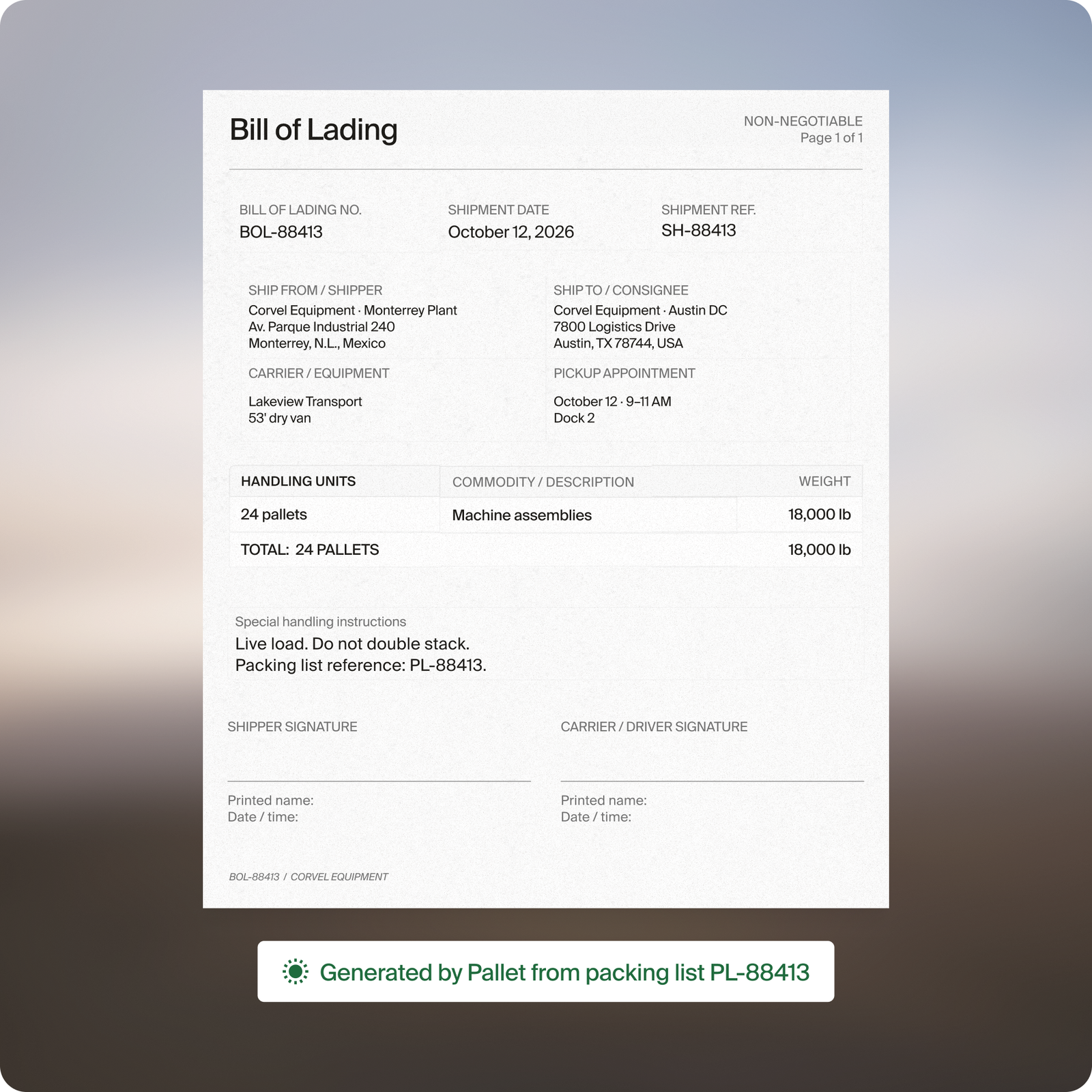
Read BOLs and receipt records, match shipment details to orders, and enter validated information into your systems.
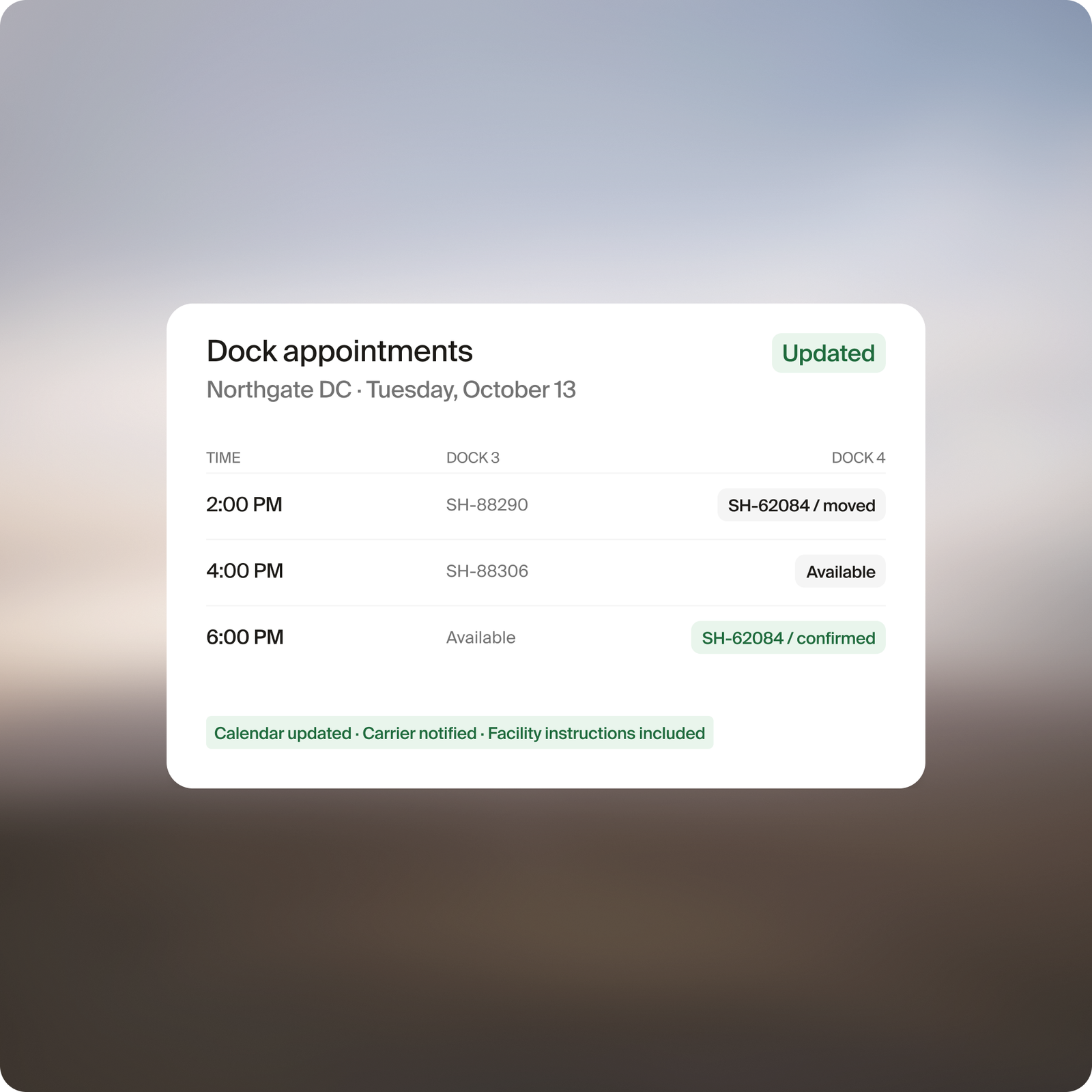
Book freight and confirm pickup, delivery, and dock appointments using approved carriers, rates, and facility instructions.
Collect shipment updates, maintain ETAs, and coordinate reschedules. Route delays and exceptions to the right person.
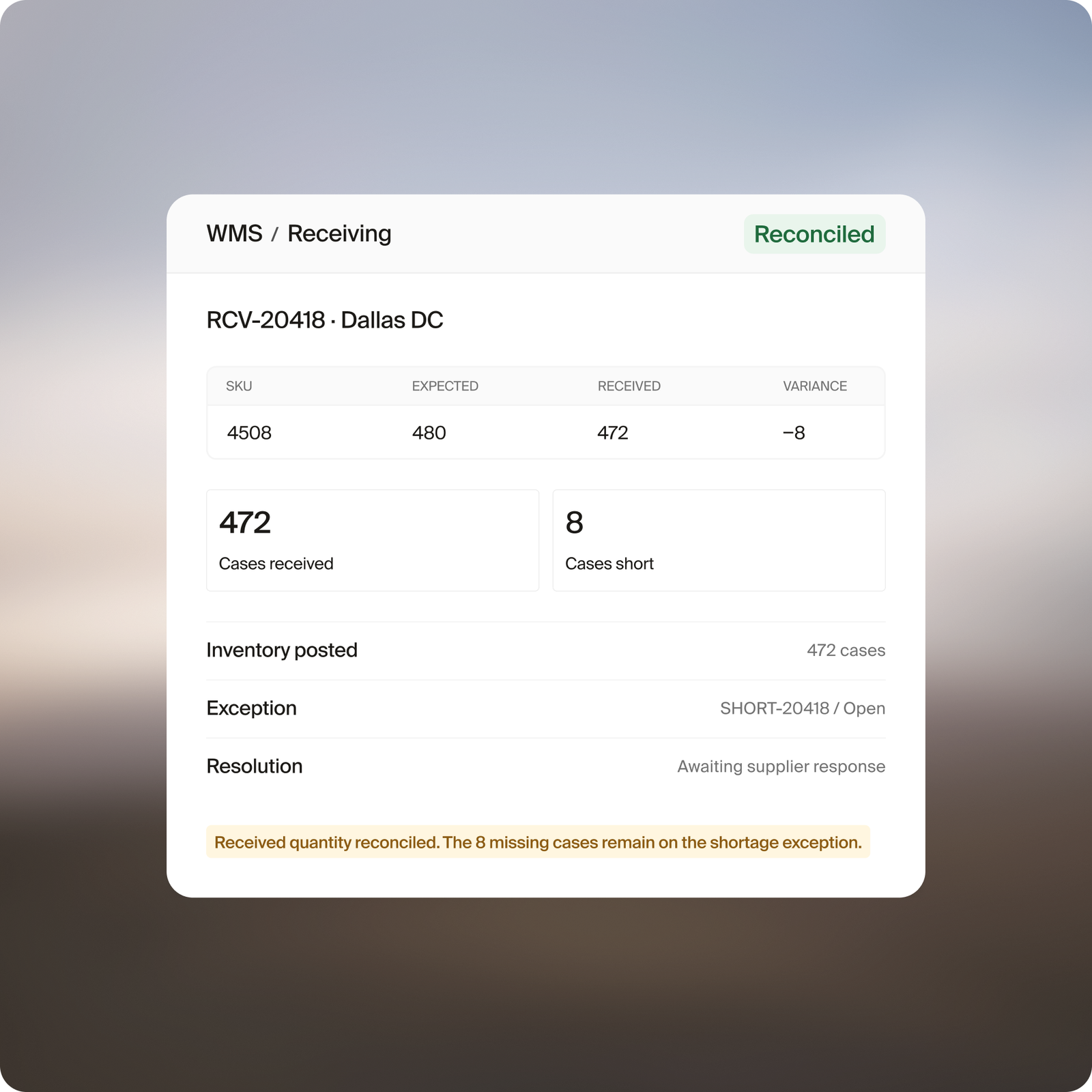
Validate inbound quantities, record receipts, reconcile stock discrepancies, and update approved pick and packing instructions.
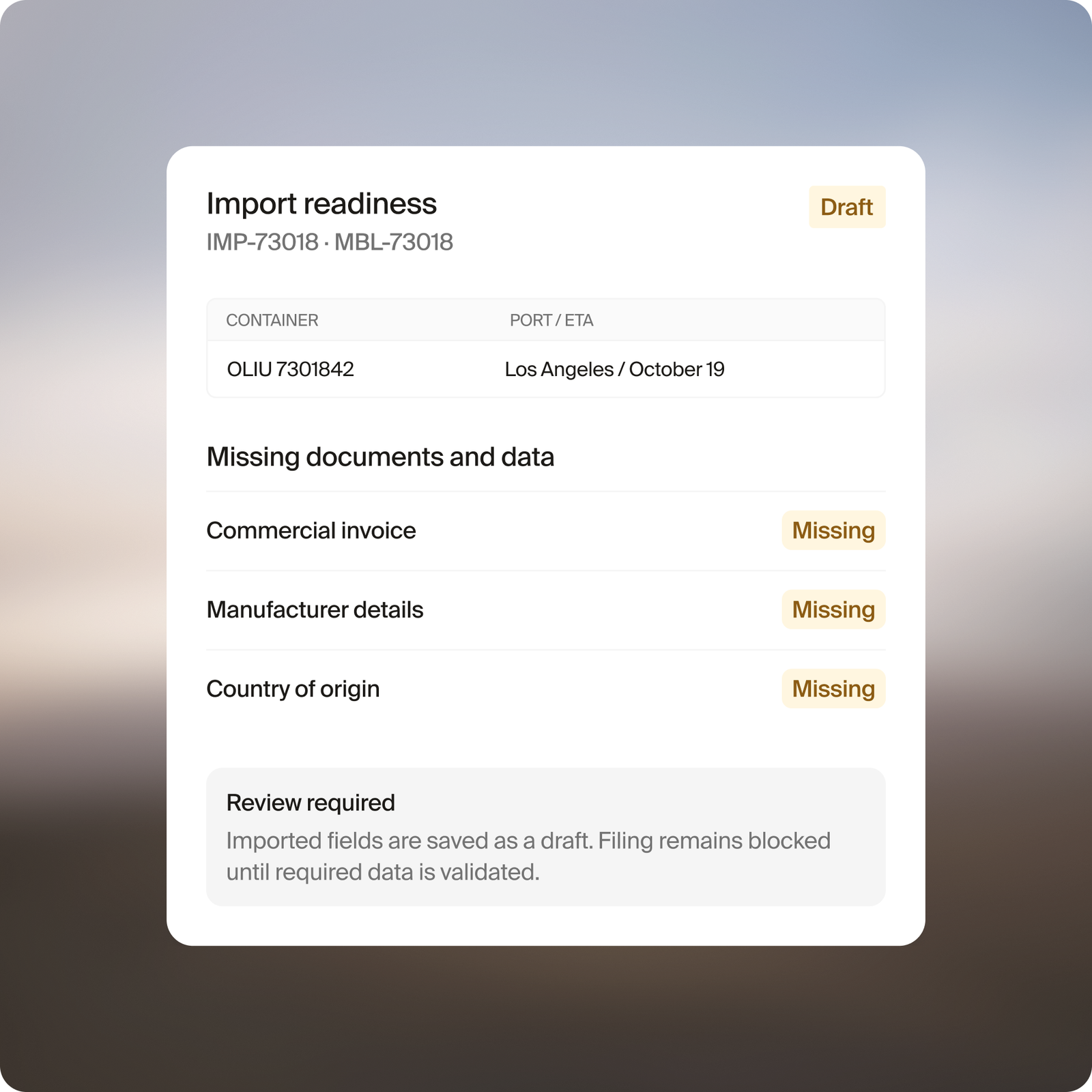
Assemble shipment documents and filing data, check required details, and coordinate customs submissions and cargo release.
Use cases

DC receiving
Inbound scheduling
Store and customer deliveries
Inventory reconciliation
Reverse logistics
Import clearance
Receiving
Inbound coordination
Outbound shipping
Delivery and returns
Warehouse records
Cross-border trade
Receiving
Freight booking
Delivery confirmation
Dispatch paperwork
Cross-border trade
BOL entry
Shipment booking
Dispatch and appointments
Track and trace
Delivery confirmation
Warehouse receiving
Cross-border trade
Time to value

Operators move between inboxes, WMS and TMS screens, and partner portals to complete each shipment's next step.

Pallet works alongside your operators to capture the rules, generate the agent, and test the workflow before deployment.
Institutional knowledge
Use facility instructions, customer requirements, shipment details, and carrier procedures in the right context.
Capture SOPs and exception handling in Memory so agents can apply what your operators have already learned.
Accuracy

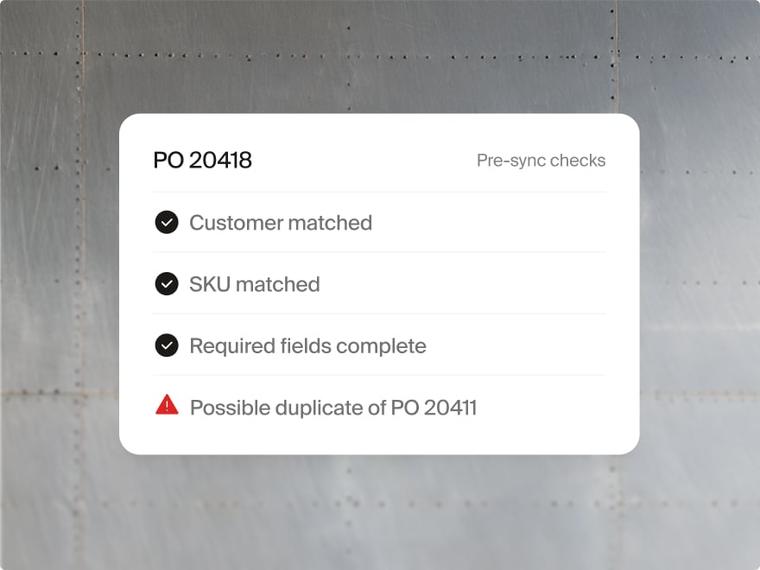
Extract shipment fields and match them across packets and system records. Surface discrepancies for review.
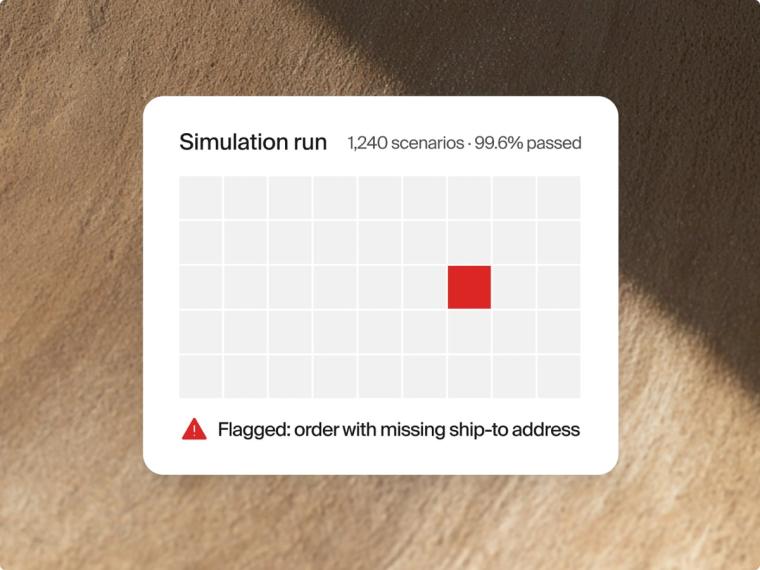
Test document variations, portal steps, and operational exceptions before the agent goes live.
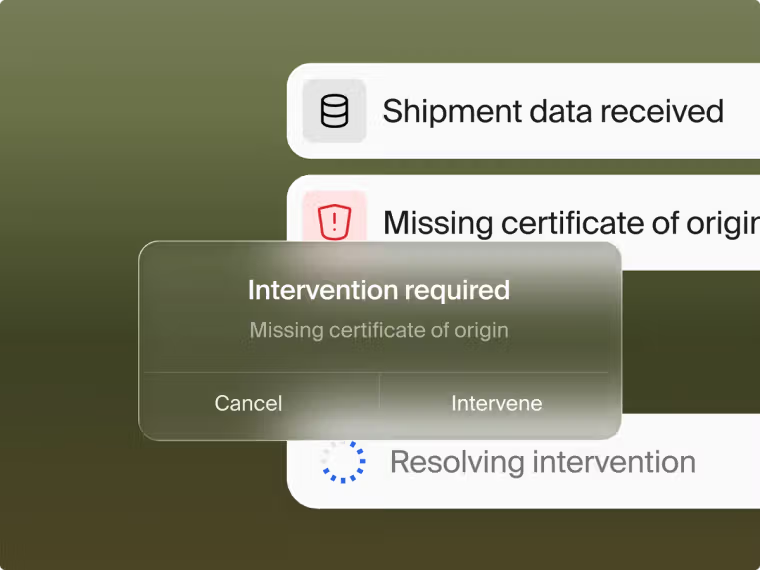
Route conflicting records or uncertain filings to an operator with the documents and context needed to resolve them.
Capabilities
Outlook, Gmail, Front, etc
Inbound and outbound phone
PDF, spreadsheets, scanned images
REST APIs, EDI 204/210/etc
Automate any web app or portal
Reach desktop apps with no APIs
Built for enterprise
Data handling aligned with GDPR requirements.
Audited controls, with the report available in our Trust Center.
Privacy practices aligned with California requirements.
AI logistics agents carry out the document and system tasks needed to move, receive, track, and clear shipments. Pallet agents handle freight bookings, appointments, shipment updates, warehouse records, bills of lading, and customs paperwork. They apply your operating rules across the systems and partner portals used for the workflow.
Pallet agents collect carrier rates, confirm availability, and book capacity using the rules defined for the workflow. They can confirm pickup and delivery slots, arrange dock appointments, and issue carrier instructions. Facility requirements, customer instructions, approved rates, and escalation paths guide how each booking is handled.
Pallet agents collect shipment movement updates, maintain estimated arrival times, and coordinate reschedules. They update delivery milestones, retrieve proof-of-delivery records, and surface delays or conflicting information. Exceptions can be routed to an operator with the shipment records, documents, and context needed to resolve them.

Pallet agents extract details from bills of lading, delivery notes, and shipping instructions, then match them with purchase orders and system records. They can record receipts, capture reported shortages or damage, reconcile stock discrepancies, and update approved warehouse instructions. Conflicting quantities or documents can be flagged for review.
Pallet agents assemble import and export documents, prepare customs entry and Importer Security Filing data, and follow up on cargo release using approved shipment information. They check required fields and reconcile records across the document set. Uncertain filings or conflicting information can be routed to an operator before the next step.
Pallet's Logistics agents support retailers, distributors, manufacturers, and logistics providers. Workflows include distribution-center receiving, freight booking, inbound appointments, outbound shipping, delivery confirmation, warehouse updates, reverse logistics, and cross-border documentation. The agent follows the facility, customer, carrier, and shipment requirements relevant to the operation.
Pallet agents can work through APIs, electronic data interchange, browsers, and remote desktop. This allows a logistics workflow to use the interfaces available in your transportation management and warehouse management systems, including partner portals and desktop applications. The supported actions and connection method are defined during scoping.
Pallet agents match shipment fields across documents and system records and flag discrepancies before the next step. Pallet tests document variations, portal steps, and operational exceptions before deployment. Workflows can route conflicting records, uncertain filings, and approval-sensitive actions to the appropriate operator with the supporting evidence.
Most custom Pallet agents go live in about six weeks. Pallet works with operators to capture the shipment or warehouse process, facility instructions, system steps, and exception paths. The agent is built and tested against that workflow before it starts operating in production.
Pallet encrypts data at rest and in transit and controls access by role. Logistics workflows can retain operator review and approvals for sensitive actions and uncertain records. Pallet's Trust Center provides security reports and documentation, and the security page explains the controls in more detail.
Keep exploring